

You’ll typically feel back to normal within a few days to a few weeks after most general dental procedures, depending on what was done and your personal health. Expect minor soreness and swelling for 24–72 hours after routine work like fillings or cleanings, while extractions and more involved treatments can take up to two weeks for noticeable recovery.
This post walks through what to expect after common procedures, typical healing timeframes, personal factors that speed or slow recovery, and practical tips to stay comfortable. It also highlights when to seek help and where to find recovery support in Tampa, FL, so you can plan your care with confidence.
What to Expect After Common Dental Procedures
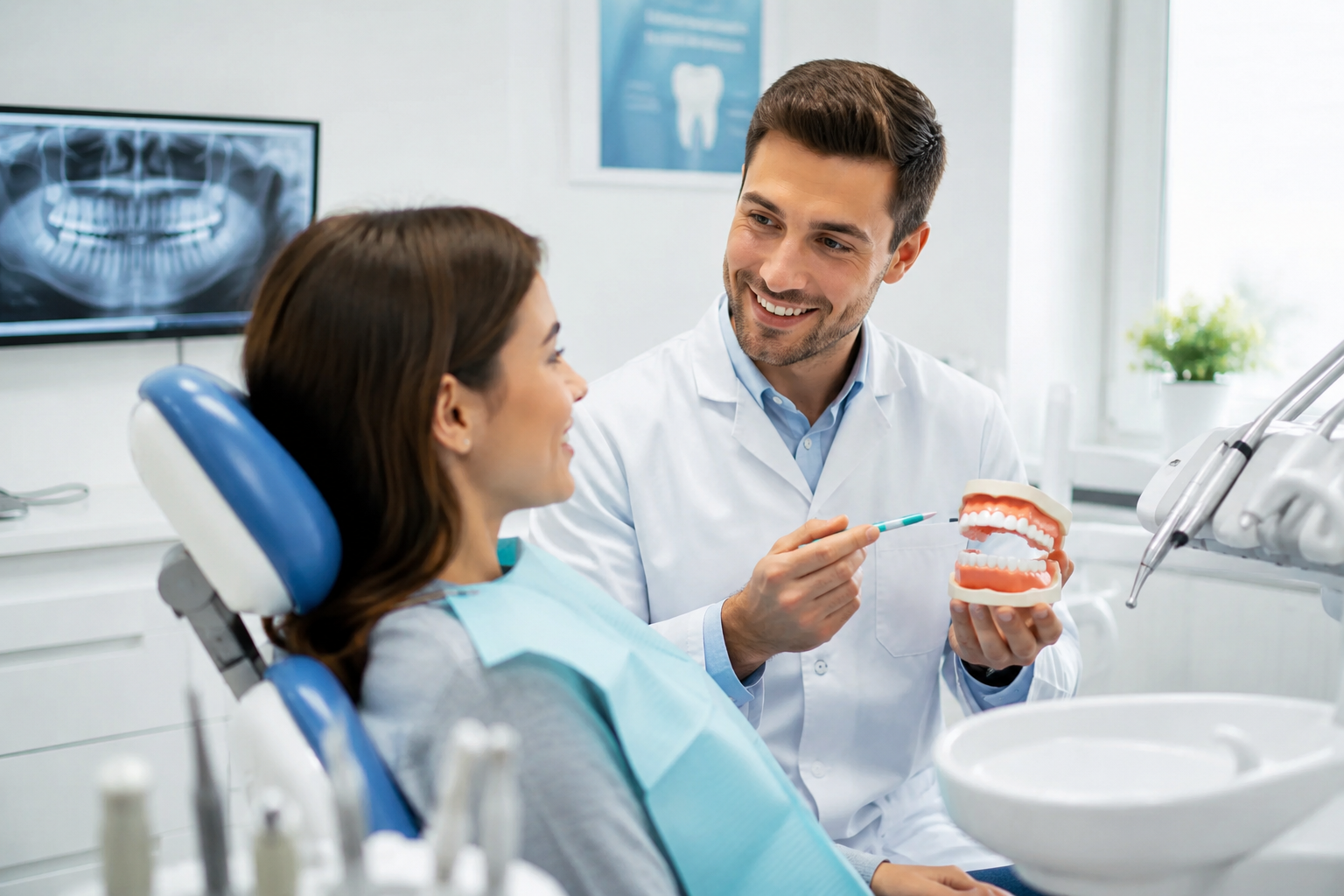
Recovery times vary by procedure, but most patients can return to normal activities within days with simple home care. Pain is usually manageable with over-the-counter or prescribed medication, and following the dentist’s instructions reduces complications.
Cleaning and Preventive Treatments
Routine cleanings and fluoride treatments cause little to no downtime. Patients may feel mild gum tenderness or slight bleeding for 24–48 hours, especially if periodontal scaling was performed.
Recommend soft brushing and gentle flossing for the first day after heavier scaling. Over-the-counter analgesics such as ibuprofen reduce discomfort; avoid chewing on the side that feels tender.
For topical fluoride or sealants, avoid eating or drinking for 30 minutes to allow setting. Call the dentist if bleeding persists beyond 48 hours, swelling develops, or there is an unusual taste suggesting infection.
Cavity Fillings
After a composite or amalgam filling, patients often experience sensitivity to hot, cold, or pressure for a few days to several weeks. Sensitivity that decreases each day is normal; intense or worsening pain when biting may indicate a high spot or need for adjustment.
Use over-the-counter pain relievers and avoid very hot, cold, or hard foods for 24–48 hours. If anesthesia was used, do not eat until numbness wears off to prevent biting the cheek or tongue.
If the bite feels uneven, contact the office for a quick adjustment. Signs of complications include severe pain that wakes the patient at night, spreading swelling, or fever—seek dental care promptly.
Tooth Extractions
Simple extractions usually produce moderate bleeding and soreness for 24–72 hours; surgical extractions (impacted wisdom teeth) can cause swelling and stiffness for several days. Bite on gauze for 30–60 minutes to form a clot; changing gauze every 30–45 minutes helps control bleeding.
Apply ice packs intermittently for the first 24 hours to limit swelling. Eat soft, cool foods and avoid using straws, smoking, or vigorous rinsing for 48–72 hours to protect the clot and prevent dry socket.
Take prescribed antibiotics or pain medication as directed. If bleeding soaks through gauze after two hours, numbness persists, or signs of infection (increasing pain, pus, fever) appear, contact the dentist or oral surgeon.
Root Canal Recovery
Root canal therapy typically causes mild to moderate soreness for 48–72 hours as surrounding tissues heal; severe pain is uncommon. Patients may feel pressure or localized tenderness, which responds well to NSAIDs.
Avoid chewing on the treated tooth until the final restoration (crown or permanent filling) is placed. Temporary fillings can dislodge; if that happens, avoid chewing on that side and call the office for a replacement.
Follow-up usually includes placement of a crown within a few weeks to restore strength and prevent reinfection. Seek immediate care for persistent swelling, worsening pain, or a return of severe symptoms after initial improvement.
Typical Healing Timeframes for General Dentistry Services
Patients can expect varied recovery schedules depending on the procedure, from same-day comfort measures to several weeks for full tissue healing. Pain, swelling, diet changes, and activity restrictions generally decrease in predictable stages with proper home care and follow-up.
Immediate Post-Procedure Care
After most cleanings, fillings, or simple extractions, mild soreness and sensitivity last 24–72 hours. Use over-the-counter ibuprofen or acetaminophen as directed; apply cold packs in 10-15 minute intervals for the first 12–24 hours to control swelling. Avoid hot liquids and crunchy foods for the day of treatment when a local anesthetic was used.
If stitches were placed after a surgical extraction or periodontal procedure, expect minor bleeding for up to 12 hours. Keep the gauze in place with gentle pressure, and avoid vigorous rinsing or spitting for 24 hours. Patients should sleep with their head elevated the first night to reduce bleeding and swelling.
Follow any antibiotic or prescription pain-relief schedule prescribed by the dentist. Smoking and using straws can disrupt blood clot formation and should be avoided for at least 48–72 hours.
Short-Term Recovery Milestones
Within 3–7 days, most pain and swelling from extractions, root canals, or deep cleanings significantly decrease. Stitches placed are often removed or begin to dissolve during this window; the surgical site will look less inflamed and feel firmer to the tongue. If a temporary crown was placed, sensitivity to biting may persist until the permanent restoration is cemented.
Oral hygiene should continue with gentle brushing and antiseptic rinses (chlorhexidine or warm salt water) as directed to prevent infection. Return-to-work timelines vary: simple procedures often allow same-day work, while surgical cases may need 2–4 days off for comfort and recovery.
Watch for warning signs: persistent fever, increasing pain after 72 hours, heavy bleeding, or a foul taste/smell may indicate infection or dry socket and warrant immediate contact with the dental office.
Long-Term Healing Expectations
Soft tissue healing after periodontal therapy or surgical extraction typically completes by 4–8 weeks, though deeper bone remodeling can take 3–6 months. For implants, osseointegration usually requires 3–6 months before placing the final crown; the implant site will gradually feel like natural teeth as bone integrates.
Sensitivity following whitening or restorations usually resolves within 2–4 weeks. Permanent crowns, bridges, and fillings feel fully settled once cement sets and adjacent tissues adapt, generally within 1–2 weeks after placement.
Regular follow-up visits at 1–2 weeks and then at intervals recommended by the dentist ensure proper healing and allow adjustment of restorations. Patients should contact the practice with concerns so the team can provide timely support and avoid complications.
Personal Factors Affecting Dental Recovery
Several personal factors influence how quickly a patient recovers after general dental procedures. These include existing medical conditions, medications, age, smoking, and daily habits that affect healing and infection risk.
Overall Health and Medical History
Chronic conditions like diabetes and autoimmune disorders slow tissue repair and raise infection risk. Uncontrolled diabetes, for example, reduces blood flow to gums, which can prolong bleeding and delay wound closure after extractions or root planing.
Medications matter. Blood thinners (warfarin, direct oral anticoagulants) increase postoperative bleeding risk, while bisphosphonates and some cancer therapies can impair bone healing and raise the risk of osteonecrosis after invasive procedures. Steroids suppress immune response and delay recovery too.
Dental history and oral hygiene shape outcomes. Frequent periodontal disease, past infections, or poorly fitted restorations increase inflammation and complicate healing. Good daily brushing, flossing, and regular cleanings reduce complications and shorten recovery.
The dental team reviews medical records and may coordinate with physicians to adjust medications or optimize health before treatment. Patients should disclose all prescriptions, supplements, and recent surgeries to help clinicians plan safer, faster recoveries.
Age and Lifestyle Habits
Age affects tissue resilience and bone density. Older adults often experience slower mucosal healing and reduced bone turnover, so procedures like implants or extractions may need longer follow-up and modified timelines compared with younger patients.
Smoking and vaping significantly delay healing and increase infection risk. Nicotine narrows blood vessels, reducing oxygen delivery to gums and sockets; clinicians will recommend quitting before and after surgery to improve outcomes.
Nutrition and hydration matter. Protein, vitamin C, and adequate fluids support collagen formation and immune function. Poor diet or dehydration can lengthen recovery and increase soreness.
Activity and rest influence inflammation. Heavy exercise or heavy lifting soon after surgery can increase bleeding or swelling. Clinicians typically advise light activity and good sleep in the first 48–72 hours to support healing.
Patients who follow pre- and post-op instructions—medication schedules, wound care, and lifestyle adjustments—generally recover faster and with fewer complications. Dentist guidance and small behavior changes make a measurable difference in healing time.
Tips for a Smooth and Comfortable Healing Process
Keep pain controlled, protect the surgical site, and follow a clear oral care routine. Use prescribed medications, avoid smoking or strenuous activity, and maintain gentle but thorough cleaning around treated areas.
Managing Sensitivity and Discomfort
They should take prescribed pain relievers or recommended over-the-counter options exactly as directed. For localized pain after fillings, crowns, or extractions, apply an ice pack to the cheek in 10–15 minute intervals during the first 24 hours to reduce swelling and numb discomfort.
If dentists prescribe antibiotics for an infection risk, finish the full course even if symptoms improve. Avoid aspirin if instructed, because it can increase bleeding risk; choose acetaminophen or ibuprofen per the dentist’s guidance. For tooth sensitivity to hot or cold after restorative work, use a desensitizing toothpaste twice daily and avoid very hot or cold foods for several days. If pain worsens, becomes sharp, or is accompanied by fever, contact the dental office promptly.
Oral Care Practices During Recovery
They should resume gentle brushing within 24 hours unless the dentist advises otherwise, using a soft-bristled brush and non-abrasive toothpaste. When working near a surgical site, tilt the brush and use light circular motions to clean without disrupting sutures or healing tissue.
Rinse with warm salt water (1/2 teaspoon salt in 8 ounces of water) starting 24 hours after surgery, three times daily to reduce bacteria and soothe tissues. Avoid vigorous swishing, spitting, or using commercial mouthwashes containing alcohol until cleared by the dentist. For the first week after extractions or implant placement, skip flossing directly between treated teeth but continue flossing adjacent areas gently; the dentist will advise when to resume full interdental cleaning.
Spotting Signs of Recovery Issues
Patients should monitor pain, swelling, bleeding, fever, and changes in bite or sensation. Noting timing, severity, and any new symptoms helps decide when to call the dental office.
When to Contact Your Dentist
Contact the dentist if pain increases after 48–72 hours instead of improving. Persistent or worsening pain may signal infection or a dry socket after extractions.
Call for uncontrolled bleeding that soaks more than two gauze pads in an hour, or bleeding that restarts after seeming to stop. Also report swelling that rapidly worsens or pushes the jaw closed, as this can indicate spreading infection.
Report any fever above 101°F (38.3°C), chills, or general malaise that begins after the first 24 hours. These systemic signs suggest bacterial involvement requiring prompt treatment.
Notify the office if numbness or tingling persists beyond expected anesthesia duration, or if the bite feels uneven and doesn’t normalize after swelling subsides. These could indicate nerve irritation or a displaced restoration.
Common Red Flags to Watch Out For
Watch for increasing redness, pus, or a bad taste or smell at the surgical site. These signs point to localized infection and often require antibiotics or in-office cleaning.
Look for a sudden change in swelling pattern: a hard, tender lump that continues to grow or migrates toward the face, neck, or throat. That pattern can threaten the airway and needs urgent evaluation.
Track persistent drainage from the wound, especially if it is thick, green, or foul-smelling. Continuous drainage usually means the body isn’t clearing bacteria and professional intervention is necessary.
Be alert for difficulty breathing, swallowing, or speaking. Although rare, these symptoms are emergency signs of deep infection or severe allergic reaction and warrant immediate emergency care.
If unsure about any symptom, calling the dental office for guidance prevents small problems from becoming serious. Patients often feel reassured after a quick check-in or an early appointment.
Recovery Support Resources in Tampa, FL
Local options help patients manage pain, follow post-op instructions, and access affordable care after routine and complex dental procedures. Practical resources include community programs that offer low-cost follow-up care and guidance on choosing a dental practice that matches clinical needs, insurance, and comfort preferences.
Community Dental Support Programs
Tampa has several programs that provide low-cost or sliding-scale dental care and recovery assistance for uninsured or underinsured residents. Metropolitan Ministries and the Hillsborough County Health Care Plan offer referrals and vouchers for basic dental services, while the Tampa Bay Community Health centers provide follow-up care and wound checks after extractions and minor oral surgery.
Free or low-cost clinics often supply postoperative instructions, analgesic guidance, and limited prescriptions onsite, which helps patients avoid emergency-room visits for manageable complications. Many clinics partner with dental schools — such as the University of South Florida’s community outreach — giving access to supervised student clinicians for routine recovery visits at reduced fees. Patients should call ahead to confirm availability, bring any discharge paperwork, and ask about language assistance or transportation support.
Choosing the Right Dental Practice
Selecting a practice affects recovery comfort and outcomes. Patients should look for practices in Tampa that list clear post-op protocols, same-day or next-day emergency availability, and on-site digital radiography or CBCT if complex follow-up imaging might be needed.
Verify provider credentials, read recent local patient reviews, and confirm which insurers and payment plans the office accepts. Ask whether the practice offers multimodal pain management (local anesthetic techniques plus short-course NSAIDs), sedation options if anxiety is an issue, and written aftercare sheets for procedures like extractions, root canals, and implant placement. A friendly front-desk team that schedules prompt follow-ups and coordinates prescriptions often makes recovery smoother; call to assess responsiveness before booking.
Empowering Your Long-Term Dental Wellness
Patients benefit most when they take an active role in their dental recovery and ongoing care. Regular checkups and cleanings help catch small issues before they become larger problems, reducing the need for complex procedures later.
A consistent home routine supports long-term results: brush twice daily with fluoride toothpaste, floss once daily, and use antimicrobial rinse if recommended. These simple habits protect restorations and natural teeth alike, and they speed recovery after treatments.
Diet and lifestyle choices influence healing and oral health. Limiting sugary snacks, avoiding tobacco, and staying hydrated promote tissue repair and lower the risk of decay. If medications or medical conditions affect oral health, patients should communicate that information to their dental team.
Modern dentistry offers durable restorative options and less invasive techniques that preserve more natural tooth structure. Discussing material choices, maintenance expectations, and potential longevity with the dentist lets patients plan care that fits their life and budget.
Follow-up visits are essential to monitor healing and adjust care plans. The dental team will provide personalized timelines and signs to watch for, so patients know when to seek help.
Encourage questions and schedule consultations for tailored advice. A friendly, experienced dental team in Tampa can guide patients through recovery and prevention, helping them maintain a healthy, comfortable smile for years.
Frequently Asked Questions
This section answers common post-treatment concerns with clear timeframes, signs to watch for, and practical steps patients can take at home or when to contact their Tampa dental office. Each answer gives specific expectations for recovery after fillings, cleanings, extractions, and other routine procedures.
How long does it usually take for numbness to wear off after a dental filling or crown?
Numbness from a local anesthetic typically fades within 2 to 4 hours.
Some patients — especially after larger restorations or blocks near a tooth root — may feel tingling for up to 6 hours.
If numbness persists beyond 8 hours, contact the dental office for guidance; prolonged numbness is uncommon and may need evaluation.
What’s a normal amount of soreness after a deep cleaning, and when should I call my dentist?
Mild to moderate gum soreness and tenderness is normal for 24–72 hours after scaling and root planing.
Over-the-counter ibuprofen or acetaminophen, taken as directed, usually controls discomfort.
Call the dentist if pain worsens after 72 hours, if swelling develops, or if there is persistent bleeding or fever.
When can I safely eat crunchy or hot foods again after a tooth extraction?
Avoid crunchy, hard, or hot foods for the first 24 hours to protect the clot and reduce bleeding.
Soft, cool foods like yogurt, applesauce, and mashed potatoes are safe immediately after extraction.
Start reintroducing warm (not hot) and firmer foods after 48–72 hours, progressing based on comfort. If chewing causes sharp pain, stop and wait another day.
How do I know if my healing is on track versus signs of a dry socket or infection?
Normal healing includes steady reduction in pain, minimal bleeding after 24 hours, and gradual closure of the socket over 7–14 days.
Signs of dry socket include severe throbbing pain starting 3–5 days after extraction, visible bone in the socket, and a foul taste or odor.
Signs of infection include increasing swelling, fever, worsening pain, or pus drainage. Contact the dentist immediately for either dry socket or infection.
What are the best at-home comfort tips for reducing swelling and tenderness after dental work?
Apply an ice pack to the outside cheek for 10–15 minutes on, then 10–15 minutes off during the first 24 hours.
Keep the head elevated, rest, and avoid strenuous activity for 24–48 hours to limit swelling.
Rinse gently with warm salt water after 24 hours for extractions or deep cleanings, and take recommended pain relievers as directed by the dental team.
If I don’t have dental insurance, what payment options are typically available for follow-up visits and care?
Many Tampa practices offer payment plans or in-house financing to spread the cost of follow-up care over several months.
Patients can also use third-party medical/dental credit (e.g., CareCredit) or pay with major credit cards and debit.
Discuss costs and options with the office before treatment; they can often provide an itemized estimate and work out a plan that fits the patient’s budget.