
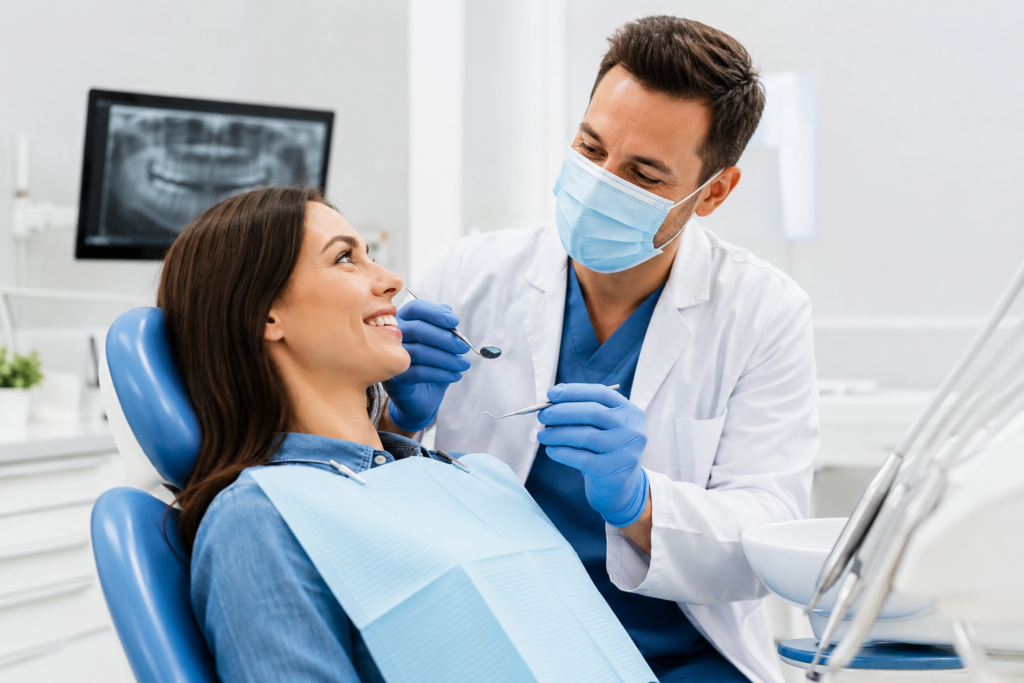
You’ll find practical, Tampa-specific guidance on general dentistry that helps you plan visits, choose a dentist, and protect your smile. This guide explains what to expect at your first visit, the core services general dentists provide, modern technologies you’ll encounter, and how to manage costs and insurance in Tampa.
They emphasize patient comfort and simple prevention tips so you can feel confident about appointments for every family member. Expect clear explanations of common concerns, signs that need prompt attention, and straightforward steps to keep your oral health on track.
What To Expect At Your First Dental Visit
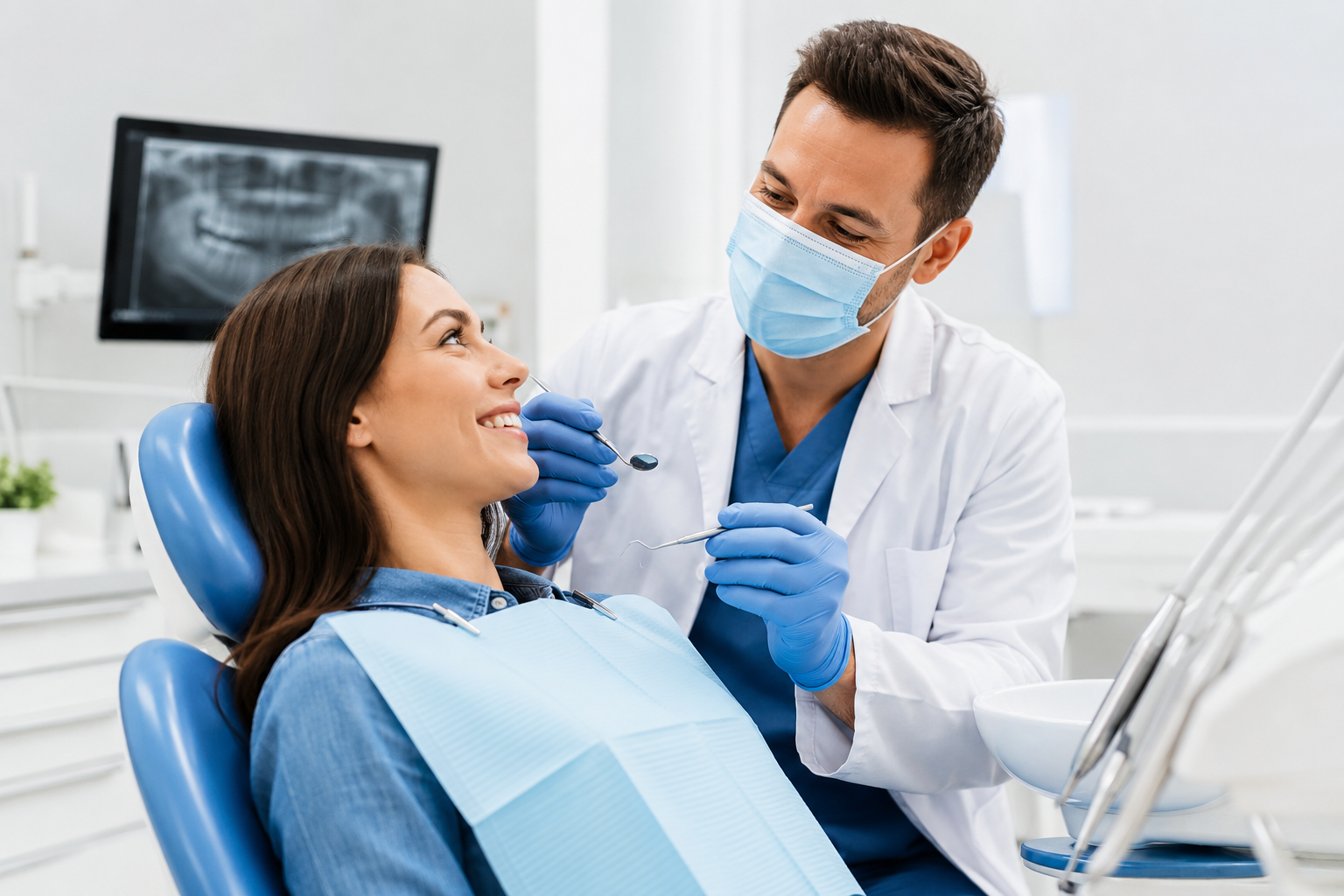
Patients will find a calm reception, a focused oral exam, and a clear discussion of treatment options tailored to their needs. Staff will collect medical history, review X-rays or take new images, and outline a personalized plan with estimated costs and timelines.
Welcoming Environment and Patient Comfort
The front desk confirms the patient’s paperwork and verifies insurance coverage or payment options. Staff offer a tour of the office, point out restrooms and recovery areas, and explain safety and COVID-19 protocols if needed.
A clinical assistant measures blood pressure and updates medical history, including medications and allergies. They note dental anxiety and offer comfort aids such as noise-canceling headphones, blankets, or nitrous oxide when appropriate.
The operatory is equipped with ergonomic chairs, adjustable lighting, and intraoral cameras for clear visuals. Patients often see educational intraoral photos on a monitor, which helps them understand issues before the dentist speaks.
Initial Oral Examination Process
The dentist begins with a visual inspection of teeth, gums, tongue, and bite alignment. They use a dental mirror and probe to check for decay, gum pockets, and signs of enamel wear or bruxism.
Digital X-rays or a panoramic radiograph may be taken to reveal hidden decay, bone level, impacted teeth, or pathology. The dentist explains why each image is necessary and reviews findings on-screen.
A periodontal chart records pocket depths and bleeding on probing to assess gum health. The dentist screens for oral cancer by examining soft tissues and checking lymph nodes when indicated.
Consultation and Personalized Treatment Plans
After the exam, the dentist summarizes findings in plain language, prioritizing issues by urgency and patient goals. They discuss preventive steps, like scaling for gum disease, fluoride treatments, or sealants for children.
For restorative needs, the dentist explains options—fillings, crowns, root canals, or implants—listing pros, cons, expected lifespan, and estimated costs. They provide timelines and coordinate referrals when specialists are recommended.
The office presents a written treatment plan and payment options, including insurance breakdowns, in-house financing, and estimated out-of-pocket amounts. They invite questions and schedule follow-up appointments or preventive cleanings to begin care.
Core Services Offered By General Dentists
General dentists focus on keeping teeth healthy, preventing problems, and treating common conditions like cavities and gum disease. They use evidence-based care, patient education, and modern technology to deliver routine checkups, restorative work, and periodontal treatment.
Professional Cleanings and Preventive Care
Professional cleanings remove plaque and tartar from tooth surfaces and below the gumline using ultrasonic scalers and hand instruments. Hygienists also polish teeth and apply fluoride varnish when indicated to strengthen enamel and reduce decay risk.
Preventive care includes oral cancer screening, digital X-rays for early detection, and patient-specific advice on brushing, flossing, and interdental cleaning. Dentists create personalized recall intervals—typically every 3–12 months—based on decay risk, gum status, and medical history.
Sealants protect deep grooves on back teeth for children and adults at risk of cavities. Dentists review diet, dry mouth causes, and medication effects that influence oral health, then recommend strategies like sugar reduction, saliva substitutes, or prescription-strength fluoride.
Dental Fillings and Cavity Treatment
Dentists diagnose cavities with visual exam, probing, and bitewing X-rays to assess lesion size and proximity to the pulp. They discuss options—direct composite fillings for small to moderate lesions, glass ionomer for high-caries-risk areas, or indirect restorations (inlays/onlays, crowns) when more tooth structure needs replacement.
Local anesthesia ensures comfort during preparation, and adhesive bonding preserves more natural tooth structure than older techniques. Composite resins can be color-matched to existing teeth for a natural appearance, while durable materials like ceramic or gold are used for larger restorations.
When decay approaches the nerve, dentists consider pulp therapy or root canal treatment to save the tooth. They also address postoperative sensitivity, provide home-care tips to prevent recurrent decay, and schedule follow-up checks to monitor restoration integrity.
Gum Health and Periodontal Services
Periodontal assessment includes measuring pocket depths, checking bleeding on probing, and evaluating attachment loss to stage gum disease. Early gingivitis often responds to improved home care and professional cleanings; established periodontitis requires scaling and root planing to remove calculus below the gumline.
For moderate to severe cases, dentists may offer adjunctive therapies: localized antibiotic delivery, antimicrobial rinses, or referral for periodontal surgery such as flap procedures or tissue regeneration. Maintenance therapy—typically every 3 months—is critical to control inflammation and prevent tooth loss.
Dentists also manage risk factors that worsen gum disease: smoking cessation counseling, glycemic control coordination with physicians for diabetic patients, and tailored oral hygiene instruction. They emphasize comfort measures like topical anesthetics and minimally invasive techniques to reduce treatment anxiety.
Modern Dental Technology And Innovations
This section highlights specific tools that improve diagnosis, reduce radiation, and increase comfort during care. It explains how digital imaging speeds treatment decisions and how comfort-focused devices lower anxiety and pain.
Digital X-Rays and Imaging
Digital X-rays use sensors instead of film to capture tooth and bone images instantly. They reduce radiation exposure by up to 60–80% compared with traditional film and display images on a monitor within seconds for faster diagnosis.
Dentists in Tampa commonly pair intraoral cameras with digital sensors to magnify cracks, cavities, and gum recession for patient viewing. Cone-beam CT (CBCT) provides three-dimensional scans useful for implant planning, root canal assessment, and evaluating impacted teeth with millimeter-level detail.
Clinics store images in secure electronic records, allowing side-by-side comparisons over time and easier referrals to specialists. Insurance often covers many diagnostic X-rays; staff can explain benefits and costs during consultation.
Comfort-Enhancing Tools and Techniques
Modern practices offer nitrous oxide and conscious oral sedation to reduce anxiety while keeping patients responsive. Local anesthetics with topical gels and computer-controlled delivery (C-CLAD systems) minimize injection discomfort and provide precise dosing.
Ergonomic chairs, soft-tissue lasers, and quieter instruments reduce procedural noise and bleeding during periodontal treatment. Lasers can remove diseased tissue or speed soft-tissue healing with less swelling compared to scalpel work.
For restorative work, same-day CAD/CAM crowns let patients receive a custom ceramic crown in a single visit, removing the need for temporary crowns and multiple appointments. Practices typically explain each option, discuss suitability, and recommend what improves comfort and long-term outcomes; questions are encouraged to tailor care.
Choosing The Right General Dentist In Tampa
Finding a dentist in Tampa begins with practical checks and a sense of comfort. They should hold active state licensure and professional memberships, which signal current training and adherence to standards.
Ask about the office’s approach to preventive care and patient comfort. Many practices offer digital X-rays, sedation options, and clear treatment plans; these details show a focus on safety and modern care.
Read recent patient reviews and look for consistent themes. Positive notes about friendly staff, punctual appointments, and clear explanations matter more than a single 5-star or 1-star outlier.
Consider logistics: location, office hours, and insurance participation affect whether patients keep appointments. A nearby office with evening hours or weekend availability reduces missed visits and encourages preventive care.
Evaluate communication style during the first contact. A staff that answers questions patiently, explains costs, and outlines next steps helps reduce anxiety. They should welcome questions about procedures, recovery, and financing.
Use a short checklist to compare options:
- Licensure and certifications
- Technology and comfort options (digital X-rays, sedation)
- Patient reviews and referral patterns
- Insurance and payment flexibility
- Clear, empathetic communication
If uncertainty remains, schedule a brief consultation or hygiene visit. A short meet-and-greet gives a direct sense of the team’s bedside manner and practice workflow, and it makes deciding easier.
Family Dental Care For All Ages
This practice emphasizes preventive visits, age-appropriate treatments, and comfort-focused care for every family member. Appointments include screenings, cleanings, fluoride or sealant applications, and education tailored to developmental stages.
Children’s Dentistry and Early Care
Pediatric visits begin around the first tooth or by the first birthday to monitor eruption patterns and screen for early decay. The dentist and hygienist teach parents feeding, bottle weaning, and brushing techniques to prevent early childhood caries.
They use gentle exam techniques, child-sized instruments, and distraction methods to reduce fear. Preventive treatments commonly include fluoride varnish, dental sealants for molars, and orthodontic evaluations by age 7 when jaw growth and bite issues become clearer.
Behavior guidance and positive reinforcement help establish routine dental visits. The office provides anticipatory guidance on thumb-sucking, pacifier use, and injury prevention, plus clear home-care steps and a recommended schedule for recalls.
Care for Teens and Young Adults
Teen visits focus on rapid orthodontic changes, enamel wear from sports or grinding, and cavity prevention during high-sugar diets. The team assesses wisdom tooth development and refers for extraction when impaction or crowding threatens adjacent teeth.
Providers offer bonded sealants, topical fluoride, custom sports mouthguards, and evaluation for enamel erosion from acidic drinks. For bruxism, they discuss nightguards and stress-related management rather than immediate invasive treatment.
Cosmetic concerns—staining, gaps, or minor misalignment—are addressed with conservative options like whitening, bonding, or clear aligners when growth is stable. The practice encourages shared decision-making with teens and parents, scheduling treatments around school and activities and explaining costs and timelines clearly.
Addressing Common Dental Concerns
This section explains practical steps patients can take for sensitive teeth, persistent bad breath, and dental anxiety. It outlines proven treatments, home-care tips, and clinic-based options that focus on comfort and measurable results.
Tooth Sensitivity Solutions
Tooth sensitivity typically stems from enamel loss or exposed dentin around the tooth root. The dentist first identifies the cause with an exam and X-rays, then recommends targeted treatments rather than one-size-fits-all fixes.
For mild sensitivity, patients often start with desensitizing toothpaste containing potassium nitrate or stannous fluoride; use twice daily and expect improvement within 2–4 weeks. A soft-bristled toothbrush and gentle technique reduce further enamel wear; avoid abrasive whitening pastes and hard scrubbing.
For localized issues, in-office fluoride varnish or bonding agents seal exposed dentin quickly and reduce pain for months. If gum recession or a cracked tooth causes sensitivity, the dentist may perform gum grafting or place a crown to restore structure and prevent recurrence. For extensive enamel erosion, custom night guards protect teeth from bruxism-related wear.
Provide specific instructions: brush twice daily for two minutes, floss once daily, and schedule a dental exam if pain persists beyond a month or if sensitivity follows dental trauma. These steps help preserve teeth and guide appropriate clinical care.
Treatment for Bad Breath
Chronic bad breath (halitosis) often originates in the mouth from bacterial plaque, periodontal disease, dry mouth, or trapped food. A dentist evaluates oral hygiene, checks for gum disease, inspects restorations, and reviews medications that reduce saliva.
Immediate steps include improving oral hygiene: brush teeth and tongue after meals, floss daily, and use an antimicrobial mouthrinse containing chlorhexidine or cetylpyridinium chloride for short-term control. Replace toothbrushes every 3 months and clean tongue with a scraper to remove volatile sulfur compound–producing bacteria.
If periodontal pockets or persistent plaque cause odor, professional scaling and root planing reduces bacterial load and improves breath long term. For dry mouth, the dentist may recommend saliva substitutes, sugar-free gum with xylitol, or adjusting medications with the prescribing physician. Persistent halitosis can signal ENT or gastrointestinal issues, so refer out when oral causes are ruled out.
Managing Dental Anxiety
Dental anxiety affects treatment acceptance and oral health outcomes; clinicians address it with patient-centered strategies. A thorough pre-visit consultation clarifies fears, outlines steps of proposed care, and sets realistic expectations.
Behavioral techniques include guided breathing, progressive muscle relaxation, and short appointments to build trust. Dentists often offer distraction tools — headphones, TV, or virtual reality — to reduce perceived procedure time. For moderate anxiety, nitrous oxide provides rapid onset and quick recovery with minimal side effects. For severe anxiety or complex procedures, oral sedatives or intravenous sedation administered by trained personnel deliver deeper relaxation and amnesia for the visit.
Clear communication about sensations to expect, incremental treatment planning, and post‑op pain management reduces future fear. Encourage patients to discuss past experiences and successful coping methods so the dental team can personalize the approach and improve comfort during care.
Prevention And At-Home Oral Hygiene
Proper daily care and smart diet choices prevent decay, gum disease, and costly dental work. Small, consistent habits—brushing technique, flossing, fluoride use, and limiting sugary or acidic foods—produce the biggest benefits for long-term oral health.
Daily Habits for Healthy Teeth
Brush twice daily for two minutes using a soft-bristled brush and fluoride toothpaste. They should angle the brush 45 degrees toward the gumline, use gentle circular strokes, and cover all tooth surfaces, including molars and the tongue to reduce bacteria and bad breath.
Floss once daily, sliding gently between teeth and curving the floss into a C-shape against each tooth to remove interdental plaque. If traditional floss is difficult, interdental brushes or water flossers offer effective alternatives for tight contacts and braces.
Replace toothbrushes every three months or after illness. Use a pea-sized amount of toothpaste for adults and a rice-grain size for young children. Consider fluoride rinses for adults at higher cavity risk, and consult a dentist before starting any medicated rinse.
Diet and Its Effects on Oral Health
Sugary and acidic foods increase decay risk by feeding plaque bacteria and lowering oral pH. They should limit sodas, sports drinks, candy, and frequent fruit juices; consuming these items with meals reduces acid exposure compared with constant snacking.
Choose tooth-friendly snacks like plain yogurt, cheese, raw vegetables, nuts, and water. Cheese and dairy raise saliva calcium and phosphate levels, helping remineralize enamel. Crunchy produce like apples and celery stimulate saliva and provide mechanical cleaning between meals.
Timing matters: they should wait 30–60 minutes after acidic foods before brushing to avoid enamel wear. Encourage regular water intake—preferably fluoridated—to rinse sugars and acids and maintain saliva flow, especially overnight and during long stretches without food.
How Dental Insurance And Financing Work In Tampa
Patients can expect a mix of private insurance, employer plans, Medicaid/CHIP, and in-office financing. Many practices in Tampa accept major PPOs, offer sliding-scale fees for Medicaid, and provide third-party lending for larger treatments.
Understanding Coverage Options
Most Tampa dentists accept PPO plans like Delta Dental, Cigna, and MetLife, which allow patients to see in-network or out-of-network providers with different cost shares. Preventive care—two cleanings and one exam per year—typically receives the highest coverage (often 80–100% in-network), while major services such as crowns, implants, and root canals usually carry larger patient responsibility and may require prior authorization.
Medicaid covers dental services for eligible children and limited adult services through Florida Medicaid; coverage and provider participation vary, so patients should confirm acceptance before scheduling. Out-of-pocket estimates often include deductible, co-insurance, and any non-covered items like cosmetic procedures. Practices in Tampa commonly run benefits checks and provide written estimates to reduce surprises.
Flexible Payment Plans
Tampa dental offices often offer in-house payment plans for balances under a few thousand dollars, splitting costs into 3–12 monthly payments with minimal or no interest. For higher-cost treatments—implants, full-mouth restorations—clinics frequently partner with third-party lenders such as CareCredit or LendingClub Patient Solutions, which provide 6–60 month financing options and promotional zero-interest plans if paid within the promotional period.
Patients should compare APR, deferred-interest terms, and penalties for late payments before signing. Many practices also accept major credit cards, Health Savings Account (HSA) and Flexible Spending Account (FSA) funds, and sometimes provide discounts for full upfront payment. Staff typically prepare a payment worksheet showing total cost, insurance estimates, and monthly payment scenarios to help patients choose the most affordable option.
When To Visit Your Dentist: Signs And Symptoms
Pain, swelling, bleeding, loose teeth, persistent bad taste, or sudden changes in bite all warrant prompt attention. Regular checks catch slow problems; urgent signs need same-day care.
Recognizing Dental Emergencies
A tooth knocked out or cracked to the gumline requires immediate action to increase the chance of saving the tooth. Rinse the tooth gently with water, avoid scrubbing the root, and place it back in the socket if possible, or keep it in milk or saliva and get to the dentist within an hour.
Severe, unmanageable pain, spreading facial swelling, fever with oral pain, or uncontrolled bleeding after trauma also qualify as emergencies. They may indicate infection, cellulitis, or a fractured jaw. Call the dental office or emergency services right away and avoid placing pressure on the affected area without professional instruction.
Sharp, sudden pain when biting often signals a cracked tooth or failed filling and should be evaluated within 24 hours. For dental offices in Tampa, FL, many practices offer emergency slots — calling early improves the chance of same-day treatment.
Monitoring Changes in Oral Health
Persistent sensitivity to hot, cold, or sweets that lasts more than a few days can indicate enamel loss, a new cavity, or gum recession; schedule an exam within a week. Note whether sensitivity is localized or generalized to help the clinician pinpoint the cause.
Gums that bleed during brushing, look red or puffy, or pull away from teeth suggest gingivitis or periodontal disease. Early-stage gum disease responds well to professional cleaning and improved home care; advanced disease needs deeper cleaning or specialist referral, so don’t delay.
Look for white patches, red sores, persistent ulcers, or a persistent bad taste or odor that doesn’t improve after good hygiene. These signs can signal infection, leukoplakia, or oral cancer and should be assessed promptly—typically within two weeks of noticing symptoms.
If teeth feel loose, the bite changes, or new gaps appear, these are signs of bone loss or advanced periodontal problems. Seek evaluation quickly to preserve support structures and explore treatment like scaling, root planing, or referral to a periodontist.
Continuing Your Dental Journey In Tampa
Patients should schedule regular checkups to keep oral health on track. Most general dentists recommend visits every six months, but frequency may change based on individual needs.
They can explore preventive services like cleanings, fluoride treatments, and sealants to reduce future problems. These options are simple, effective, and usually covered by insurance plans.
If restorative care becomes necessary, Tampa clinics offer fillings, crowns, and bridges using modern materials. Many practices provide same-day restorations or digital impressions to speed treatment and improve comfort.
For cosmetic goals, teeth whitening, veneers, and bonding are widely available locally. Dentists will discuss expected results, maintenance, and realistic timelines during consultations.
Patients with dental anxiety can request sedation options, short appointment schedules, or a meet-and-greet before procedures. Clinics often emphasize a calming environment and clear communication to ease worries.
They should verify insurance details and ask about payment plans before major treatments. Many offices list accepted insurers and financing directly on their websites or provide estimates during a phone call.
Useful next steps:
- Call a local dentist to book a hygiene visit.
- Ask about new-patient specials or virtual consultations.
- Prepare a list of medications and dental concerns for the first appointment.
Encourage patients to contact a trusted Tampa dental office to discuss personalized care and schedule the next step in their dental journey.
Frequently Asked Questions
This section answers practical concerns about scheduling, exam steps, signs to watch for, home care, restoration choices, and how to pick a trusted general dentist in Tampa. Each answer gives clear actions and what to expect at appointments.
How often should I schedule dental checkups and cleanings to keep my teeth and gums healthy?
Most adults should see a dentist every six months for a checkup and professional cleaning.
Patients with active gum disease, frequent cavities, or certain medical conditions may need visits every three to four months.
Children typically visit every six months too, with frequency adjusted for cavity risk and orthodontic needs.
Your dentist will set a personalized recall interval based on decay risk, gum status, and medical history.
What usually happens during a routine dental exam, and how can I prepare if I feel nervous?
A routine exam includes X-rays if due, oral cancer screening, gum evaluation, polish, and a professional cleaning.
The dentist reviews medical history, inspects teeth and gums, and outlines treatment or preventive steps.
If a patient feels nervous, they should tell the office ahead of time to arrange a calm check-in, shorter appointments, or nitrous oxide.
Simple preparation like arriving early, practicing breathing, and asking for step-by-step explanations reduces anxiety.
What are the early signs of cavities or gum disease, and when should I book a visit?
Early cavity signs include sensitivity to sweets or cold and small dark spots or pits on teeth.
Gum disease often begins with red, swollen, or bleeding gums, bad breath that won’t clear, or gums pulling away from teeth.
Book an appointment as soon as symptoms appear or if sensitivity is worsening over days.
Waiting can let decay deepen or gum disease progress, which usually requires more extensive treatment.
Which at-home habits make the biggest difference for preventing tooth decay and bad breath?
Brush twice daily with a fluoride toothpaste and use floss or interdental brushes once a day to remove plaque between teeth.
Limiting sugary snacks and rinsing with water after acidic or sweet foods lowers acid attacks on enamel.
Replace toothbrushes every three months and consider a fluoride mouth rinse if recommended by the dentist.
Staying hydrated and addressing dry mouth with saliva-stimulating strategies also reduces bad breath.
What are my options if I need a filling or crown, and how do dentists keep the process comfortable?
Fillings commonly use composite (tooth-colored) resin or amalgam; composites bond to tooth structure and match enamel color.
Crowns can be porcelain-fused-to-metal, all-ceramic, or zirconia; the dentist will choose based on strength, appearance, and location.
Dentists use topical anesthetic and local anesthesia to block pain, and many offices offer sedation options like nitrous oxide.
They explain each step, provide protection with rubber dam isolation, and check bite fit to ensure comfort after treatment.
How do I choose the right general dentist for my family, and what should I look for at a first visit?
Look for a dentist with clear communication, modern infection control practices, and services that match family needs (pediatric care, restorative, emergency appointments).
Check online reviews, confirm insurance and hours, and verify credentials and continuing education.
At the first visit, notice how the staff greets patients, whether the dentist explains treatment options in plain language, and if they discuss comfort measures and preventive plans.
A good first visit leaves patients informed about condition, next steps, and comfortable asking questions.