

Healthy teeth do more than create a bright smile—they support overall well-being and confidence every day. Dental care means preventing problems before they start and understanding how small daily habits protect long-term oral health. With the right approach, anyone can maintain strong teeth, fresh breath, and comfort at every age.

Modern dental care blends preventive routines at home with professional support. Regular checkups help detect issues early, while new technology offers faster, more comfortable treatments. From cleanings to restorative work, today’s dentistry focuses on patient comfort and lasting results.
A healthy mouth begins with simple steps: consistent brushing, mindful eating, and open communication with a trusted dental team. Taking time to ask questions and schedule routine visits builds confidence and peace of mind about oral health.
Key Takeaways
- Good dental care starts with daily habits and preventive attention.
- Regular dentist visits catch issues early and support long-term comfort.
- Modern treatments and friendly guidance make oral health easier to manage.
Understanding Dental Care
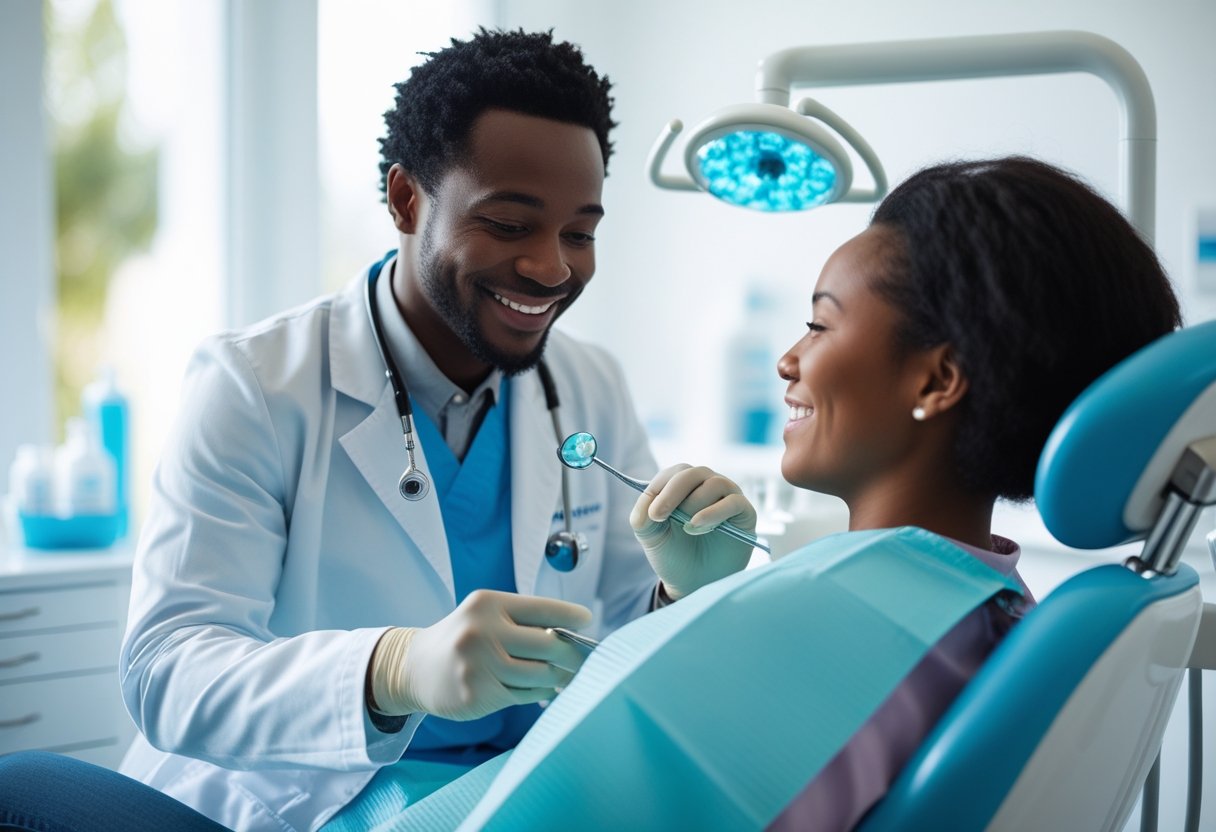
Good dental care keeps the mouth healthy, prevents disease, and supports a person’s overall well-being. It combines daily cleaning habits, professional checkups, and lifestyle choices that protect teeth and gums from long-term damage.
What Is Dental Care?
Dental care involves all activities aimed at preserving the health of the teeth, gums, and mouth. It includes regular brushing with fluoride toothpaste, flossing, eating nutritious foods, and visiting a dentist for cleanings and exams. The goal is to avoid decay, gum disease, and discomfort while maintaining a bright, functional smile.
Dentists and hygienists play an important role in preventive and restorative treatments. Preventive care includes routine exams, X-rays, scaling, and fluoride treatments. Restorative care addresses existing problems, such as filling cavities or replacing missing teeth.
Modern dentistry also focuses on patient comfort through gentler tools, better anesthetics, and minimally invasive techniques. When combined with consistent home care, these advances help people keep their natural teeth longer and improve quality of life.
Why Oral Health Matters
Oral health affects more than just the mouth—it connects closely to heart health, diabetes control, and even pregnancy outcomes. Bacteria from gum infections can enter the bloodstream, potentially increasing inflammation throughout the body.
Healthy gums and teeth also make eating and speaking easier. Pain or infection can limit food choices, affect nutrition, and lower confidence. Many people find that taking care of their teeth improves both their physical comfort and social interactions.
Regular dental visits allow early detection of problems before they worsen. A professional cleaning can remove tartar that brushing alone misses, helping prevent gum disease and tooth loss. Staying consistent with these visits supports long-term overall health.
Common Dental Problems
Common issues include tooth decay, gum disease, tooth sensitivity, and bad breath. Decay occurs when plaque bacteria produce acids that weaken enamel. If untreated, it can lead to cavities and infection.
Gum disease often starts as gingivitis—red, swollen gums that may bleed easily. It can progress to periodontitis, which damages bone and tissue. Regular flossing and professional cleanings reduce this risk.
Other problems, such as enamel erosion from acidic drinks or teeth grinding, can cause lasting wear. A dentist may recommend fluoride treatments, sealants, or custom night guards for protection. Prompt attention to these signs helps prevent pain and more complex procedures later.
Daily Dental Habits for Healthy Teeth

Good oral health depends on consistent care, smart product choices, balanced nutrition, and proper technique. Small daily actions—like brushing, flossing, and mindful eating—help protect enamel, strengthen gums, and prevent common dental issues such as cavities and plaque buildup.
Proper Brushing Techniques
Using the correct brushing technique keeps teeth clean without damaging enamel or gums. Dentists recommend brushing twice a day for two minutes with a soft‑bristled toothbrush. Holding the brush at a 45‑degree angle to the gums allows the bristles to reach plaque around the gumline. Gentle circular motions work better than harsh back‑and‑forth scrubbing, which can wear enamel and irritate tissues.
A fluoride toothpaste strengthens tooth enamel and helps prevent decay. Electric toothbrushes can offer more consistent pressure and coverage, especially for those who rush through brushing. Replacing the toothbrush or brush head every three months—or sooner if bristles fray—keeps cleaning effective.
To maximize results, brushing should include all surfaces: outer, inner, and chewing edges. Taking a few extra seconds for the tongue or using a tongue scraper can help control bacteria that cause bad breath.
Effective Flossing Tips
Flossing removes food debris and plaque where bristles can’t reach, particularly between teeth and below the gumline. Using about 18 inches of floss allows enough to move clean sections between adjustments. Wrap the floss around the middle fingers and guide it gently between teeth with a C‑shape, curving it against each tooth’s surface.
Gliding the floss up and down several times lifts plaque effectively without snapping it into the gums. Waxed floss may slide more easily for people with tightly spaced teeth, while floss picks or interdental brushes can simplify the task for those with limited dexterity.
Consistency matters more than speed. Flossing once daily—preferably before bedtime—reduces the risk of gum inflammation and bleeding. Pairing flossing with a fluoride or antiseptic mouth rinse can further lower bacterial buildup.
Choosing Oral Care Products
Selecting the right products supports healthy teeth and gums. A soft‑bristled toothbrush, fluoride toothpaste, and an antimicrobial mouthwash form the foundation of an effective routine. Products bearing the ADA Seal of Acceptance indicate they meet safety and effectiveness standards based on scientific review.
People with sensitive teeth can benefit from toothpaste containing potassium nitrate or stannous fluoride to reduce sensitivity. Those prone to cavities or gum issues may want a mouthwash with fluoride or chlorhexidine, as advised by a dentist.
Dental professionals suggest avoiding abrasive toothpaste or hard‑bristled brushes that can erode enamel over time. Keeping oral care tools clean and dry between uses prevents bacterial growth and prolongs their life span.
Diet and Dental Health
Daily food choices directly influence dental strength and cavity risk. Foods rich in calcium, phosphorus, and vitamin D—like dairy, fish, and leafy greens—help rebuild and protect enamel. Crunchy fruits and vegetables such as apples and carrots can assist in cleaning teeth by stimulating saliva flow.
Limiting sugary snacks and drinks, especially those with added acids such as sodas or sports beverages, helps prevent erosion and decay. Drinking water after meals or sugary treats rinses away residue and balances mouth pH.
Chewing sugar‑free gum after eating can encourage saliva production, which naturally helps neutralize acids and wash food particles away. For personalized nutritional advice, patients can speak with their dentist or a registered dental hygienist to ensure their diet supports long‑term oral health.
Professional Dental Visits
Professional dental visits play a key role in detecting oral health issues early, maintaining gum health, and protecting natural teeth. They often involve detailed cleanings, screenings, and preventive treatments that strengthen teeth and keep smiles healthy between appointments.
Importance of Regular Checkups
Regular dental checkups help identify cavities, gum disease, or other oral conditions before they cause pain or damage. Most patients benefit from visiting their dentist twice a year, though individuals with higher risk factors—such as frequent cavities or gum inflammation—may need more frequent care.
These visits include a thorough examination of the teeth, gums, and soft tissues. Dentists can notice early signs of decay, enamel wear, or bite alignment issues that might otherwise go unnoticed. Early diagnosis makes treatment simpler, less invasive, and generally less costly.
X-rays may be taken to assess the areas beneath the gum line or between teeth. This diagnostic step helps detect bone loss or hidden decay. By monitoring changes over time, dental professionals can track improvements or identify developing concerns quickly.
Consistent checkups also support overall health, as some conditions like diabetes or heart disease can first show signs in the mouth. Maintaining a steady schedule builds trust with the dental team and helps patients feel confident about their oral care plan.
What to Expect During a Cleaning
Routine cleanings are preventive procedures designed to remove buildup that daily brushing cannot eliminate. A hygienist begins by assessing the gums and measuring pocket depths around the teeth. This evaluation gauges gum health and helps detect early periodontal issues.
Next, the hygienist uses specialized tools to remove plaque and tartar from the tooth surfaces and below the gumline. Scaling and polishing smooth out the enamel, making it harder for bacteria to adhere in the future. Many offices offer ultrasonic devices that make this process quicker and more comfortable.
A fluoride treatment or varnish may follow, strengthening enamel against acid erosion. Patients often notice fresher breath and a smoother feel after cleaning. The dentist then performs a brief exam, checking for cavities, worn fillings, or other concerns.
Before leaving, patients typically receive personalized advice on brushing technique, flossing habits, and product selection suited to their unique needs.
Preventive Treatments
Preventive treatments provide added protection beyond daily care and cleanings. Common examples include fluoride applications and dental sealants, both designed to reduce the risk of decay. Fluoride strengthens enamel and reverses early signs of demineralization, especially helpful for children and patients prone to cavities.
Sealants are thin, protective coatings placed on the chewing surfaces of back teeth. They block food and bacteria from settling into deep grooves, where toothbrush bristles often miss. This simple, painless procedure can protect molars for several years.
Dentists may also discuss custom mouthguards for those who grind their teeth or play contact sports. These devices reduce wear, fractures, and jaw discomfort.
Taking advantage of preventive services extends the lifespan of natural teeth and lowers long-term treatment costs. Patients who stay proactive tend to experience fewer emergencies and maintain healthier smiles.
A trusted dental office can create a preventive plan tailored to specific health goals, encouraging patients to schedule questions or consultations whenever concerns arise.
Modern Treatment Options
Today’s dental care blends advanced technology with skilled techniques to restore health, enhance appearance, and improve comfort. Patients benefit from minimally invasive materials, precise digital tools, and tailored care that supports both function and confidence in their smiles.
Restorative Procedures
Modern restorative dentistry focuses on repairing damaged or missing teeth with durable, natural-looking materials. Crowns, bridges, and dental implants are now designed with computer-aided precision, ensuring better fit and long-term stability. Composite resin fillings replace outdated metals, matching the natural shade of teeth for a seamless result.
Dentists often use 3D imaging to plan treatments with accuracy. This technology helps identify issues earlier and shortens recovery times. Root canal therapy, for example, has become far more comfortable thanks to rotary instruments and local anesthetic improvements.
A brief summary of restorative options:
| Treatment Type | Primary Use | Material Options | Estimated Longevity |
|---|---|---|---|
| Fillings | Repair cavities | Composite resin, glass ionomer | 5–15 years |
| Crowns | Strengthen or replace tooth structure | Porcelain, ceramic, metal alloys | 10–20 years |
| Implants | Replace missing teeth | Titanium or zirconia posts | 20+ years |
Cosmetic Solutions
Cosmetic dentistry helps patients achieve healthy, visually balanced smiles using safe, science-backed procedures. Teeth whitening treatments use professional-grade gels that brighten enamel while protecting sensitive areas. Veneers made of porcelain or composite resin cover cosmetic flaws such as chips and uneven spacing, providing natural-looking results.
Clear aligners allow for discreet, comfortable orthodontic correction without metal brackets. They appeal to patients seeking improved alignment without interrupting daily routines. Some dentists also offer bonding, a quick procedure that reshapes minor imperfections using tooth-colored resin.
Aesthetic care no longer focuses only on appearance—it also supports oral function. For example, aligning teeth can improve bite balance and reduce wear on enamel. Each treatment plan is customized to meet individual goals and lifestyle preferences.
Comfortable Care with Technology
Many patients notice how today’s dental visits feel more efficient and less intimidating. Digital scanners have replaced traditional molds, making impressions quicker and mess-free. Laser dentistry can reduce the need for anesthesia during gum reshaping or cavity treatment, promoting faster healing and less discomfort.
Computer-assisted anesthesia systems deliver numbing agents gently for a nearly painless experience. Cone-beam CT imaging and intraoral cameras help dentists explain findings clearly, allowing patients to make confident decisions.
Technology enhances every phase of care—from diagnosis to aftercare—by boosting precision and comfort. Patients are encouraged to ask how tools like CAD/CAM, soft-tissue lasers, or digital X-rays might fit their treatment needs and make their next visit more relaxed and efficient.
Overcoming Dental Anxiety
Many people feel nervous before a dental appointment, often because of past experiences, fear of pain, or embarrassment about dental health. With the right environment and careful treatment techniques, patients can manage anxiety and receive the care they need comfortably and confidently.
Creating a Stress-Free Environment
A calm setting can make a major difference for anxious patients. Dental offices today use soft lighting, soothing background music, and even aromatherapy to help reduce stress before treatment begins. Some practices provide noise-canceling headphones, blankets, or TVs above the chair to help patients relax and feel more in control.
Communication plays an equally important role. Clear explanations before each procedure help eliminate the fear of the unknown. Many offices encourage patients to agree on a simple hand signal so they can pause treatment at any time. This reassurance helps rebuild trust and confidence during visits.
Reception areas can also contribute to relaxation. Comfortable seating, warm colors, and friendly staff create a welcoming start that sets the tone for the entire appointment. Over time, these small details can help patients associate dental care with calmness rather than fear.
Gentle Approaches for Sensitive Patients
Dental teams use several gentle methods to ensure comfort for sensitive or anxious patients. Topical anesthetics numb the area before injections, and modern local anesthetics minimize pain throughout treatment. Some patients benefit from nitrous oxide (laughing gas) or oral sedation, both of which help reduce anxiety while keeping the patient responsive and safe.
Dentists also use slow-paced appointments to allow frequent breaks. This approach gives patients time to relax and adjust. For those with severe anxiety or dental phobia, collaboration with a mental health professional skilled in cognitive-behavioral therapy (CBT) can build lasting coping skills.
Technology supports comfort as well. Tools like electric handpieces create less vibration and noise, and newer imaging systems shorten chair time. Patients who discuss their concerns openly with their dentist often discover that these modern techniques turn a stressful visit into a manageable, even positive, experience.
Frequently Asked Questions
Good oral health supports the body’s overall well-being, from reducing infection risk to improving confidence. Patients can maintain healthy teeth and gums through effective home care, informed product choices, and regular visits to trusted dental professionals who offer modern, comfortable treatments for a range of needs.
How can proper dental care enhance overall health?
Consistent dental care helps prevent infections that could spread beyond the mouth. Research links gum disease to conditions such as heart disease and diabetes, showing how oral hygiene impacts total body health.
Routine dental visits also allow early detection of issues like cavities, inflammation, and even signs of nutritional deficiencies. When the mouth stays healthy, it supports better digestion, immune function, and self-esteem.
What are some effective methods for maintaining good oral hygiene at home?
Dentists recommend brushing twice daily with fluoride toothpaste and replacing a toothbrush every three to four months. Cleaning between teeth with floss or interdental brushes once a day removes plaque from areas a toothbrush cannot reach.
A balanced diet matters too. Limiting sugar reduces the risk of decay, while foods rich in calcium and vitamin D strengthen enamel. Drinking water after meals helps rinse away food particles and bacteria.
Which dental care products are recommended by professionals for a healthy smile?
Fluoride toothpaste remains one of the most effective tools for preventing tooth decay. Dentists also suggest soft-bristled toothbrushes, as they clean effectively without damaging enamel or gums.
Mouthwash containing antiseptic ingredients can help manage plaque and freshen breath. For those with sensitive teeth, low-abrasive toothpaste designed for enamel protection offers gentle yet effective cleaning.
What should you consider when choosing a dental care provider?
A good dental provider prioritizes patient comfort, clear communication, and preventive care. Verifying qualifications, experience, and patient reviews helps ensure trustworthy service.
Patients may also look for modern clinics that use digital imaging or laser tools for more precise and less invasive procedures. A welcoming environment with staff who explain treatments clearly can make each visit less stressful and more productive.
Can you still receive dental treatment without insurance, and what are your options?
Many clinics offer membership or discount plans for patients without insurance. Community dental centers and dental schools often provide quality care at reduced fees.
Some providers offer flexible payment options or phased treatment plans to make essential procedures more affordable. It’s important to discuss costs upfront so patients can plan their care with confidence.
What are the most current and pain-free dental treatment options available today?
Modern dentistry emphasizes comfort. Techniques like laser therapy, digital impressions, and computer-guided anesthesia reduce discomfort and shorten recovery time.
Dentists may also use sedation options for patients with dental anxiety. These advances allow people to maintain their oral health without fear or unnecessary pain, helping them approach dental visits with reassurance and trust.